
Acura Wheel Alignment Service in Honolulu, HI
Maintaining proper wheel alignment is an important part of preserving your vehicle's stability, steering precision, and long-term component health. While wheel alignment service often goes unnoticed when everything is functioning correctly, even minor deviations in suspension angles can quickly affect how your vehicle drives. If the wheels are not positioned correctly, the vehicle may pull slightly to one side, or the steering may feel less responsive. It can also cause additional strain on suspension components.
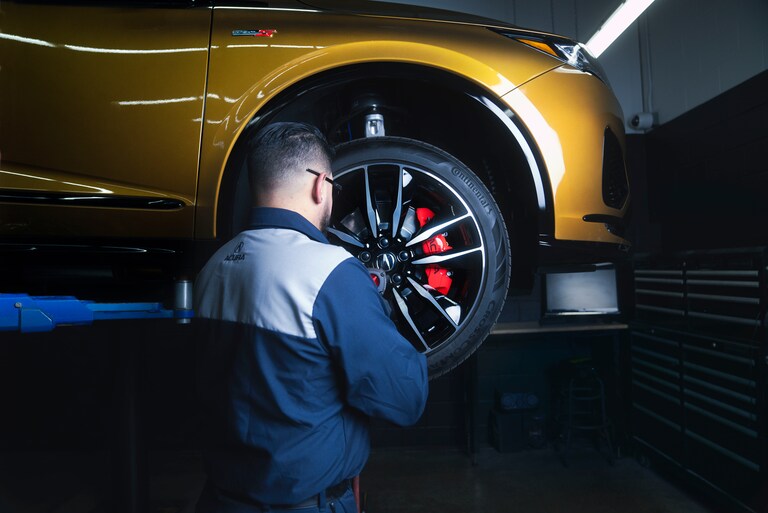
At Acura of Honolulu, our service center provides professional wheel alignment service using modern diagnostic equipment designed to measure and adjust suspension geometry with precision. Whether you drive an Acura MDX, Acura RDX, Acura TLX, or Acura Integra, our technicians can evaluate alignment angles and make the necessary adjustments to help restore proper handling and driving comfort.
Why Wheel Alignment Matters
Despite its name, an alignment doesn't adjust the wheels themselves. The process involves adjusting suspension angles so that the wheels track properly and sit correctly relative to the road surface and to one another.
Three primary alignment angles influence how your vehicle behaves on the road:
- Camber refers to the inward or outward tilt of the wheel when viewed from the front of the vehicle. If camber moves too far outside recommended specifications, the tire will not sit flat against the pavement while cornering, which can affect stability and handling.
- Caster is the angle of the steering axis when viewed from the side of the vehicle. Proper caster helps the steering system maintain stability and return the wheel to center after a turn.
- Toe describes the direction the wheels point relative to one another. If the wheels angle inward or outward excessively, the vehicle may wander while driving, and steering response can feel less precise.
When these angles move out of specification, the vehicle may no longer track straight, and driving comfort can suffer. A professional alignment corrects these measurements so the suspension and steering systems function as intended.
Professional Alignment Service at Acura of Honolulu
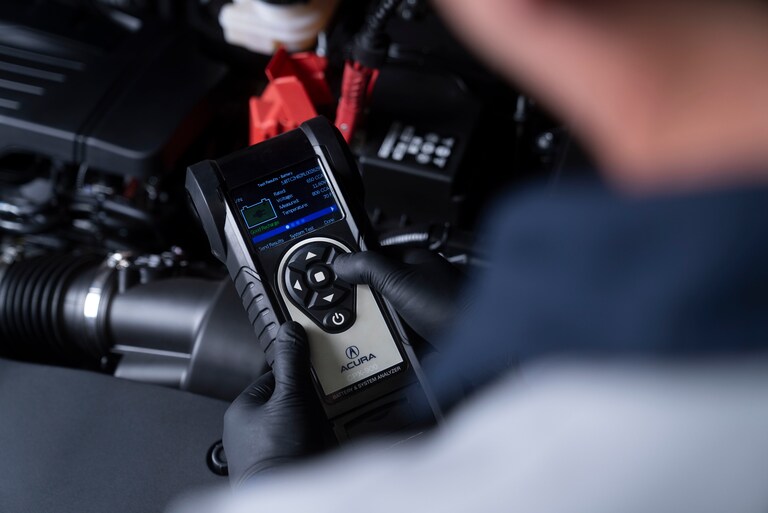
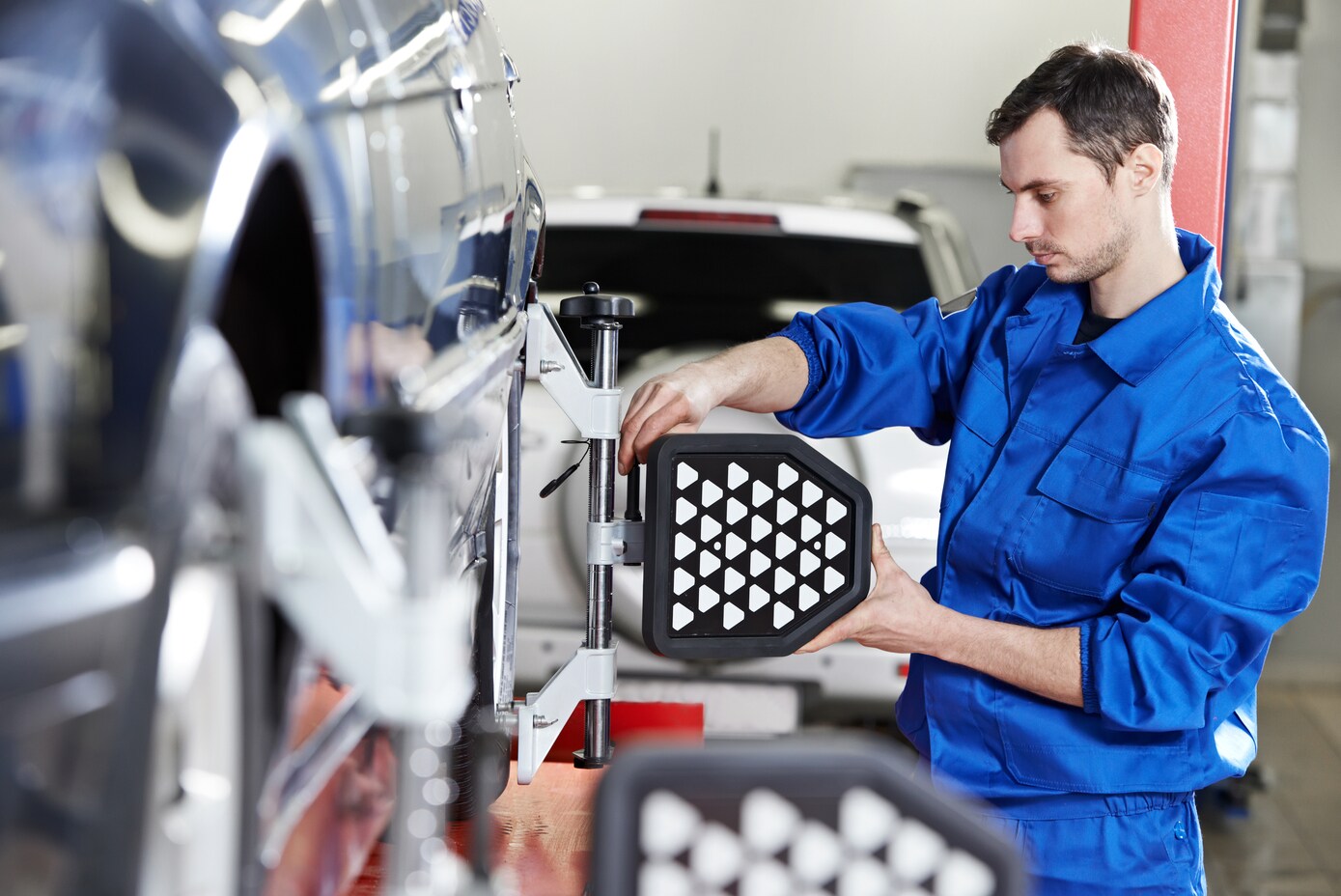
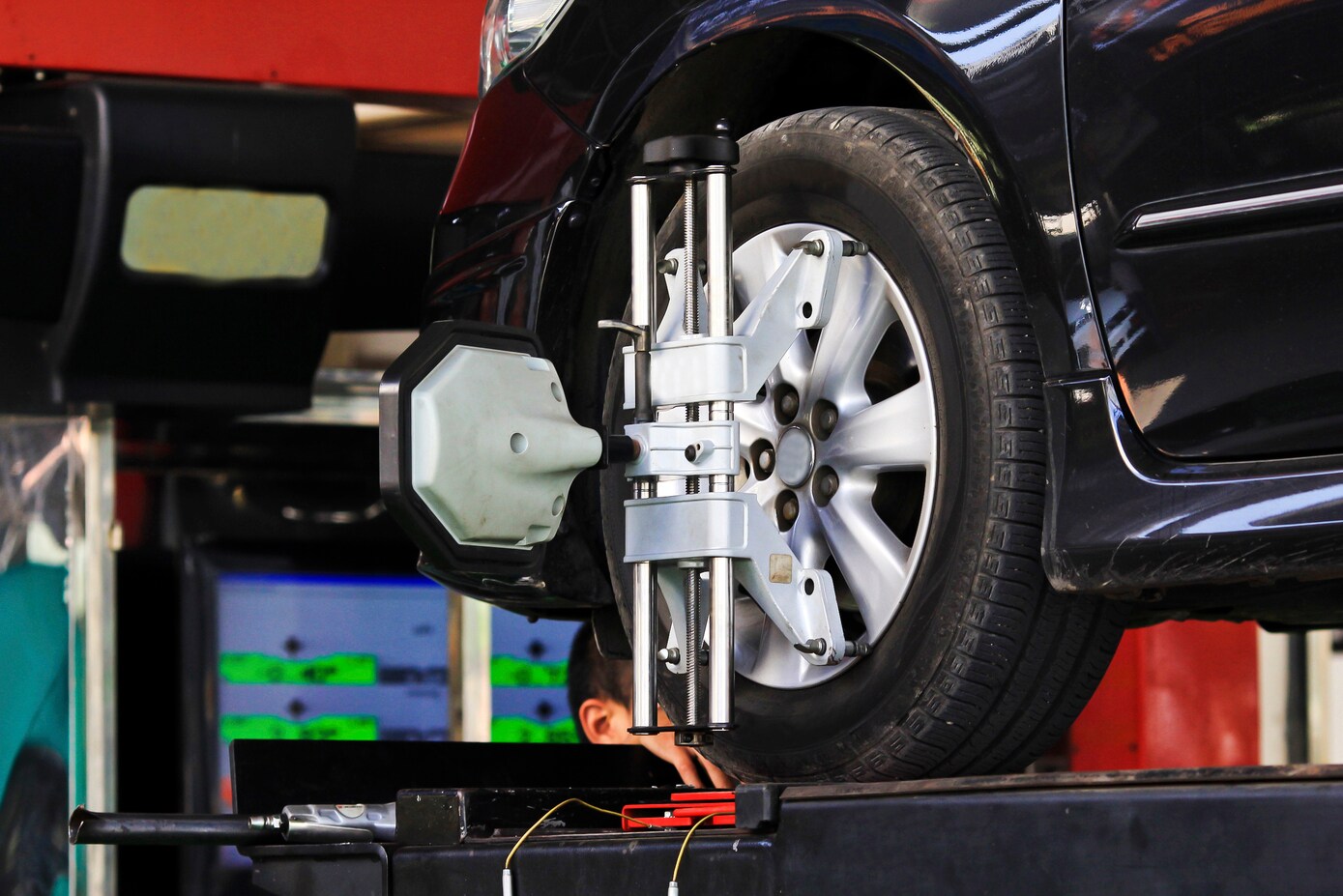
Alignment service requires specialized measuring equipment and experienced technicians who understand how modern suspension systems operate, especially in a precision machine like your Acura vehicle. At Acura of Honolulu, our technicians use advanced alignment tools to evaluate camber, caster, and toe measurements and adjust them precisely.
During an alignment service visit, technicians will typically:
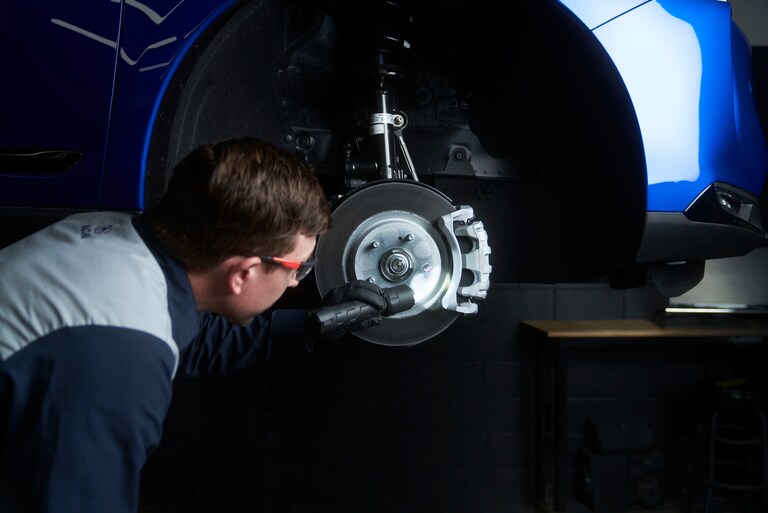
- Inspect suspension and steering components
- Measure alignment angles using computerized equipment
- Adjust camber, caster, and toe to manufacturer specifications
- Verify steering wheel position and vehicle tracking
These adjustments help ensure the wheels maintain proper contact with the road and that steering inputs translate into smooth, predictable vehicle movement.
How Do You Know if Your Vehicle Needs Alignment Service?
Alignment changes can occur gradually or after a sudden impact with a curb, pothole, or uneven road surface. If alignment angles shift enough, the vehicle may begin to display noticeable symptoms. Tell-tale signs include:
- The vehicle pulling slightly to one side while driving
- A steering wheel that sits off-center when traveling straight
- Uneven or rapid tire wear patterns
- Steering that feels loose or less responsive
- Vibration or instability at highway speeds
Frequently Asked Questions About Wheel Alignment
Common symptoms that indicate an alignment issue include the vehicle pulling to one side, an off-center steering wheel, and uneven tire wear.
Wheel alignment service is typically performed as needed rather than on a strict schedule. Multi-point vehicle inspections during routine maintenance visits can help catch problems early before they become more costly.
Alignment service involves measuring and adjusting suspension angles that affect how the wheels contact the road. Technicians inspect steering and suspension components, evaluate camber, caster, and toe measurements, and make precise adjustments so the vehicle tracks and handles as expected.
Schedule Wheel Alignment Service at Acura of Honolulu
If your vehicle's steering feels different than usual or you simply want peace of mind about your suspension setup, the service team at Acura of Honolulu is here to help. Reach out to us for more information about vehicle maintenance and repair, or stop by our Acura service center in Honolulu, HI to speak with one of our friendly representatives in person. It will be our pleasure to assist you.
How Can We Help?
* Indicates a required field
-
Acura of Honolulu
3251 North Nimitz Hwy.
Honolulu, HI 96819
- Sales: 808-800-4339
Loading Map...